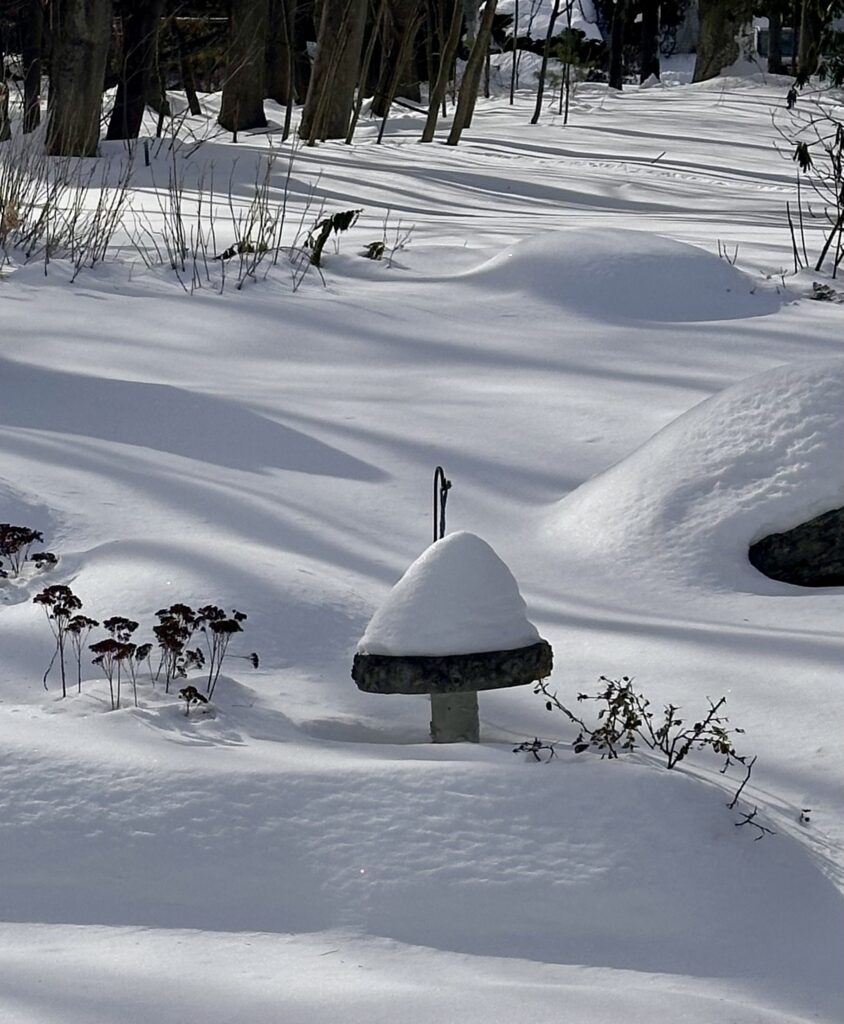
Nature’s blanket — snow — often known as the poor man’s fertilizer, is upon us and trees are “exploding”. Here are a few hints on caring for our plants and trees in the depths of winter. The concept of “exploding” trees (actually cracking) and the benefits of snow have been in the news lately.
Enjoy these interesting websites as you gaze out the window and think of that snow doing its lovely work of protecting and fertilizing our plants and trees, and replenishing our ground water. Spring will be here soon!
- Snow as Nature’s Free Fertilizer: Insights from Traditional Wisdom
- Do Trees Really Explode in the Cold?
This winter has brought much snow and ice. To keep roads, walkways and driveways safe, de-icing salts are used to melt the snow and ice. However, these salts can have negative effects on soil, plants and water quality.
A fact sheet (see link below) about injury from de-icing salt by the UMass Extension provides information about damage that you may see in spring and summer and suggestions on how to mitigate injury.
Common symptoms of salt injury to plants
From The Impacts of Salts on Plants and How to Reduce Plant Injury from Winter Salt Applications fact sheet, UMass Extension, 2016.
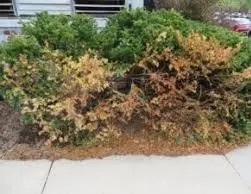
- Damage mostly on the side of the plant facing the road or sidewalk
- Browning or discoloration of needles beginning at tips
- Bud damage or death
- Twig and stem dieback
- Delayed bud break
- Reduced or distorted leaf or stem growth
- Witches’ broom development (tufted and stunted appearance)
- Wilting during hot, dry conditions
- Reduced plant vigor
- Flower and fruit development delayed and/or smaller than normal
- Fewer and/or smaller leaves than normal
- Marginal leaf burn
- Discolored foliage
- Nutrient deficiencies
Ideas for mitigating salt injury
From The Impacts of Salts on Plants and How to Reduce Plant Injury from Winter Salt Applications fact sheet, UMass Extension, 2016.
- Instead of using traditional salt on your property, use other materials such as kitty litter, sand, sawdust or ash cinders to provide grittiness for traction.
- Avoid planting in areas where runoff naturally flows.
- Improve drainage by adding organic matter.
- Protect plants with physical barriers such as burlap, plastic, wood or snow fencing.
Other suggestions
- Use salt tolerant plants in areas near roads, driveways and sidewalks. Plants are best located 30-40 feet away from the street. Salt tolerant does not mean that plants will be injury free.
- Planting trees and shrubs on berms to prevent salty runoff.
- If a warm spell occurs, rinse off plants before budbreak.
- Use barriers such as channels to alter drainage patterns away from plants.
- In early spring, water soil heavily (at least 6 inches) to flush salt out of the plants root zone.
- Apply gypsum (CaSO4) to heavy clay soils will displace the sodium with calcium and improve aeration and drainage.
- Use of anti-transpirants and dormant oil sprays are not effective in preventing salt spray injury
Even while striving to protect your landscaping from winter damage, take time to enjoy the winter beauty.
Judy Dembsey is chair of environmental education for the Acton Garden Club. Ann Marie Testarmata is chair of public relations for the Acton Garden Club.