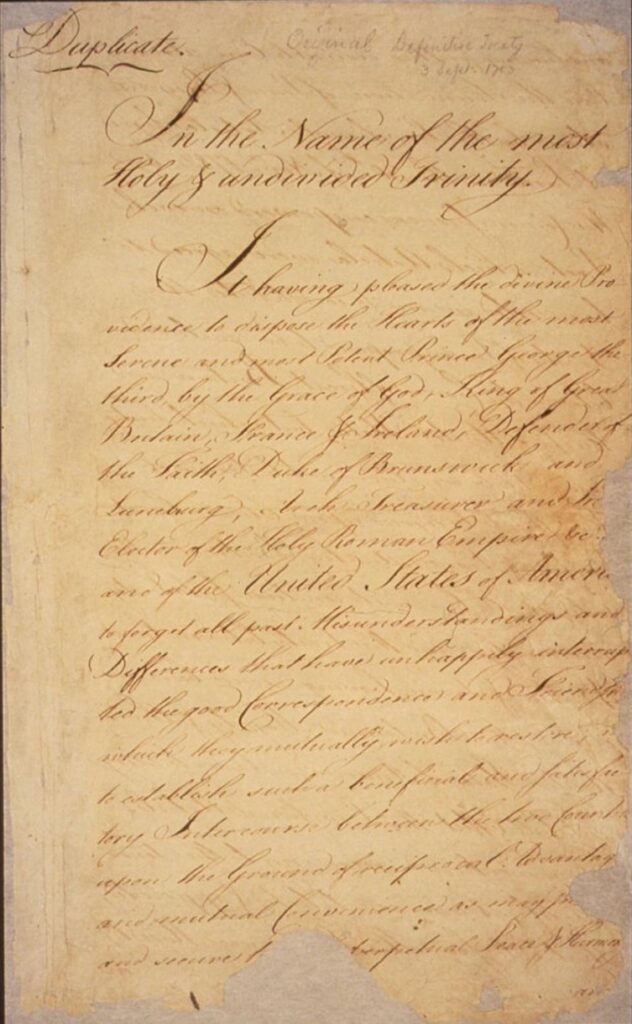
When British soldiers evacuated Boston in March 1776, hundreds of Massachusetts Loyalists fled to Nova Scotia or New Brunswick, Canada. With the 1783 Treaty of Paris ending the Revolutionary War, Loyalists who had remained in the states, as well as those who had relocated, found themselves wishing to reclaim their homes but facing vindictive treatment. Abigail Adams reported, “The Spirit which rises here against the return of the Refugees is violent, you can hardly form an Idea of it.”
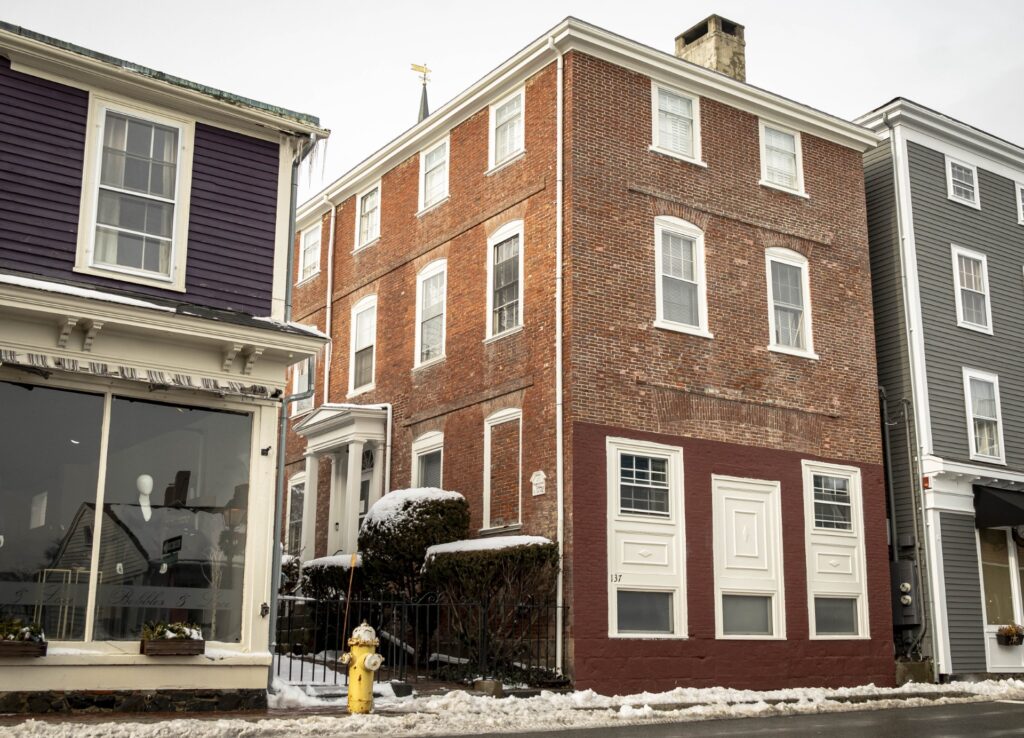
Yet some Loyalists did return, even several among the 308 banished by the 1778 Massachusetts Banishment Act. Returnees were scrutinized for their fitness to reenter Massachusetts by locally appointed committees or the courts. A Tory [Loyalist], returning to Hampshire County was jailed after informing the local Committee of Correspondence examining him that “he was in tongue a whig [Patriot]; in heart a tory.” Another, Marblehead Loyalist Thomas Robie and his family, had been subjected to “many irritating and insulting remarks” as they fled to Nova Scotia. When leaving, his wife shouted, “I hope that I shall live to return, find this wicked rebellion crushed and see the streets of Marblehead … deep in rebel blood ….” Yet, on their return, urgent appeals were made “to the magnanimity of the turbulent populace,” and Merchant Robie was offered forgiveness in exchange for establishing an inexpensive dry goods store in town. “He died in Salem about 1812, well esteemed and respected,” a Loyalist chronicler wrote.
Because the Massachusetts Banishment Act authorized banishment of returning Tories without trial by jury, it conflicted with both the Massachusetts and U.S. Constitutions. Moreover, the need for a favorable commercial treaty with England and encouraging evacuation of British forts in the west argued for repealing or ignoring acts that did not promote amity. In 1787, the Massachusetts legislature unanimously offered a general amnesty to returning exiles. As one historian wrote, “[T]he state soon resumed its earlier policy of humane and selective admission as public vehemence and bitterness quickly subsided. . . [,and] Massachusetts successfully welcomed its prodigal sons back home.”
Larry Kerpelman holds bachelor and doctorate degrees in psychology from, respectively, Johns Hopkins University and the University of Rochester. Since retiring after 30 years in 2002 as vice president and director of Corporate Communications of the Cambridge, Massachusetts consulting firm Abt Global, he has written and published articles on American history in general readership magazines. Mr. Kerpelman has been a member of the Acton Historical Society since the early 2000s and served as treasurer and a member of the Board of Directors for several years.